
Sustainability and performance are most effective when they are collaborative. By using modeling as a shared decision-making tool, PBS Engineers helps project teams see how small design shifts can create meaningful long-term value.”
Designing Smarter, Earlier.
How PBS Engineers Uses Energy Modeling to Shape Better Buildings

High-performance buildings are not defined at occupancy. They are defined by the decisions made at the very beginning of design.
Yet many of the most impactful choices—building massing, envelope performance, system strategy—are often made with limited insight into how they will affect long-term energy use, operational cost, and occupant comfort.
At PBS Engineers, we believe innovation happens when data is introduced early enough to influence the vision, not just validate it later.
That is why we use IESVE (Integrated Environmental Solutions – Virtual Environment) as more than a compliance tool. We use it as a design companion—one that helps project teams explore possibilities, understand tradeoffs, and move forward with confidence.
Turning Early Data into Better Decisions
Early design decisions set the trajectory for everything that follows. Once those decisions are locked in, flexibility disappears and costs rise.
By integrating energy modeling during schematic design, PBS Engineers gives architects and owners visibility when it matters most. We analyze how massing, glazing ratios, HVAC strategies, and control approaches interact—allowing teams to compare scenarios, right-size systems, and avoid costly redesign later in the process.
Energy modeling becomes less about prediction and more about direction.
From Analysis to Foresight
Traditional energy studies often confirm decisions after they are made. At PBS, we take a forward-looking approach.
Using IESVE’s parametric modeling capabilities, we can test multiple design strategies simultaneously being able to evaluate performance, feasibility, and alignment with sustainability goals early in the process. This helps teams understand not only what performs best, but what best supports project priorities such as cost certainty, flexibility, and long-term operational efficiency.
Client Example: Using Energy Modeling to Inform a Critical Decision
Case in point: during the design of a large technology campus, the project’s sustainability goals shifted midway through development. What began as a target for LEED Gold evolved into a question of feasibility, what would it take to reach LEED Platinum? PBS Engineers was asked to evaluate whether the increased performance threshold could be achieved within the project’s constraints. Using IESVE, we analyzed multiple energy-efficiency strategies, testing envelope enhancements, system upgrades, and operational assumptions to quantify their impact on overall energy savings. At the time, parametric modeling was not yet available, so these iterations were run manually—an effort that underscored the value of early, scenario-based analysis. The results provided the client with clear, data-driven insight: achieving LEED Platinum would require design changes that introduced significant cost implications without proportional value. Armed with this information, the project team confidently elected to maintain the original design direction, knowing the decision was informed, deliberate, and aligned with both performance goals and budget realities.
Collaboration That Serves the Client’s Vision
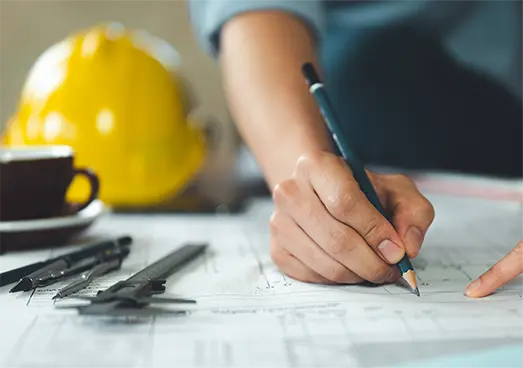
Sustainability and performance are most effective when they are collaborative. By using modeling as a shared decision-making tool, PBS Engineers helps project teams see how small design shifts can create meaningful long-term value.
These insights empower clients to make informed choices that support their vision—whether that vision prioritizes efficiency, resilience, flexibility, or future-ready design.

Designing for What Is Next
At PBS Engineers, energy modeling is not about checking boxes. It is about enabling better conversations, smarter decisions, and buildings that perform as intended.
Through advanced tools like IESVE and a commitment to early collaboration, we help translate vision into performance and deliver engineering solutions built for what comes next.

About the Author
Joseph Scribner is an energy and sustainability specialist at PBS Engineers, dedicated to helping project teams design smarter, higher-performing buildings from the earliest stages of development. By leveraging advanced modeling tools such as IESVE, he transforms complex building data into practical insights that guide informed decision-making and support long-term performance goals.
Joseph collaborates closely with architects, owners, and engineering teams to evaluate design strategies, improve energy efficiency, and align sustainability objectives with real-world outcomes. His work reflects PBS Engineers’ commitment to innovation, partnership, and engineering solutions that shape a more resilient built environment.